Beekeeping blog

Candle Molds: Wall Thickness – Small Detail, Big Difference

Author: Dr. Andreas Kokott (July 2026)

f the wall thickness is too thin:
– can lead to deformation
– if the molds are cut open, the cuts can leak
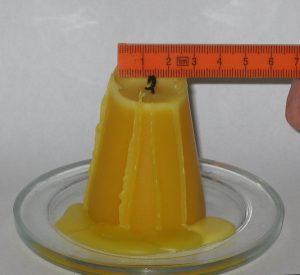
– with large molds, the wax pushes the wall outwards, so that a stump, for example, can easily become bulbous.

Thicker walls mean: more silicone and consequently a more expensive, but also more durable, high-quality and stable mold.

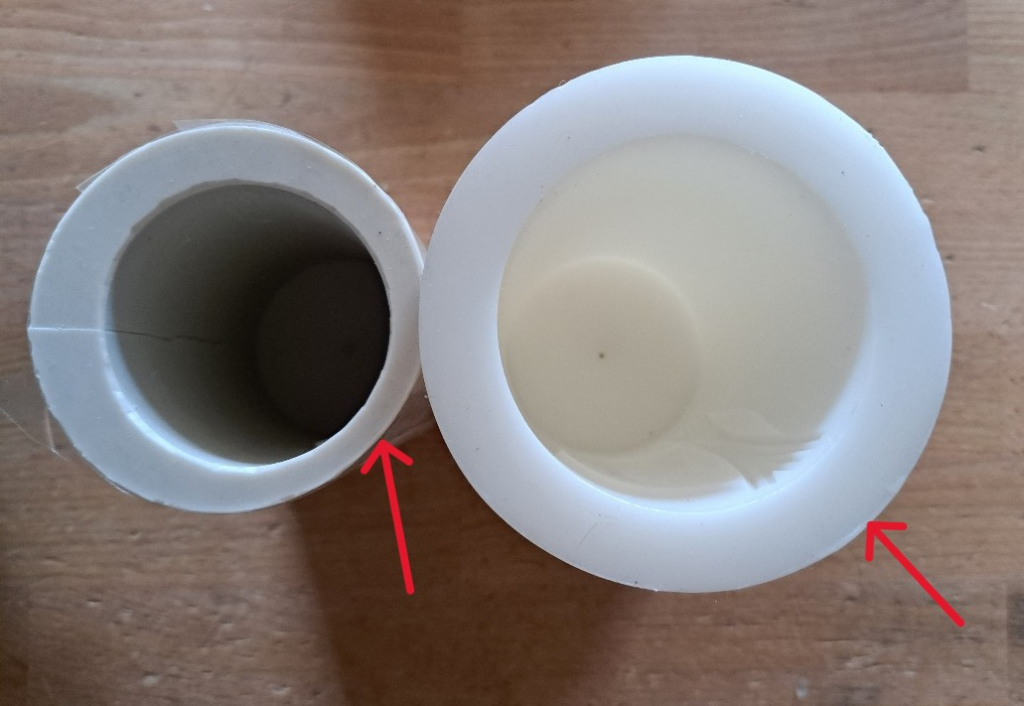
The picture (left side) shows a mold from a competitor who has been warned and who offered one of our protected molds from other European countries as a reseller.
Strongly different wall thicknesses of the competitor’s product with the identical motif.

Right side: Original mold from Kerzenidee

wall thickness of silicone moulds for candle casting

Never Cut Your Silicone Mold to the Wick Hole – Here’s Why

Author: Dr. Andreas Kokott (July 2026)

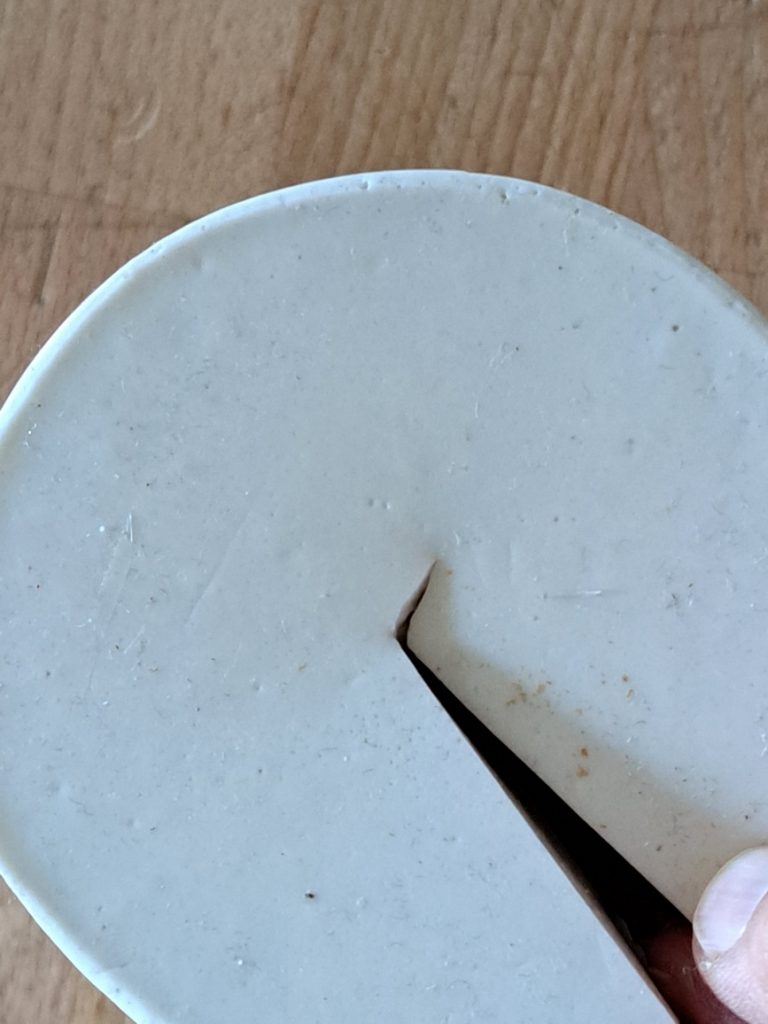
We include a threading needle with every mold free of charge. This means that no mold needs to be cut right up to the wick hole. 
As a result, the wick hole is tighter and wax does not leak out.

We do not cut a mold to the wick hole. We include a threading needle with every mold free of charge.
This means that no mold needs to be cut up to the wick hole. 
The wick hole is tighter and wax does not leak out.

Build Your Own Beehive Stands – Suitable for Any Ground

Author: Dr. Andreas Kokott (July 2026)


To build this beehive stand, you’ll need four scaffolding jacks (adjustable scaffolding supports). Their height can be easily adjusted, making them ideal for uneven ground.


It’s recommended to place each scaffolding jack on a large paving slab. This provides a stable base and makes it much easier to mow the grass around the supports.
Depending on the length of the wooden beams, a beehive stand can support two to three beehives.
The adjustable scaffolding props have a thread diameter of approximately 38 mm (1.5 inches). Using a Forstner bit, you can easily drill the necessary holes in the wooden beams to secure the props.


You should know how to use a drill. If you want to use more hives per stand, you can also add additional scaffolding supports in the middle. There are other types of stands available, but these require a lathe and more crafting experience.