


Topics:
- Develop and successfully position products
- Understand and reach your customers
- Marketing and sales
- Build and grow your brand
- Practical tips, strategies and solutions
Discover
BLOG: Ideas, insights and inspiration for your business.
Practical knowledge about products, customers and marketing.
Explore
E-BOOKS: In-depth knowledge for specific business topics.
Detailed content, strategies and practical guides.
Apply
Learn, experiment and put ideas into practice.
From product development to successful sales.
Business Knowledge Blog

How to Develop Prices Customers Accept While Protecting Your Profits
The right price does more than generate profit—it also determines the customers you attract. Learn why pricing is about much more than cost calculations and how a well-designed pricing strategy supports long-term business success. Discover the fundamentals of setting prices that are both profitable and valuable to your customers.

Networking is one of the most valuable professional skills – but it’s also where many people make costly mistakes
Successful networking opens doors to new customers, partnerships, and opportunities. Learn how to build genuine business relationships, avoid common mistakes, and create lasting connections that support your goals.
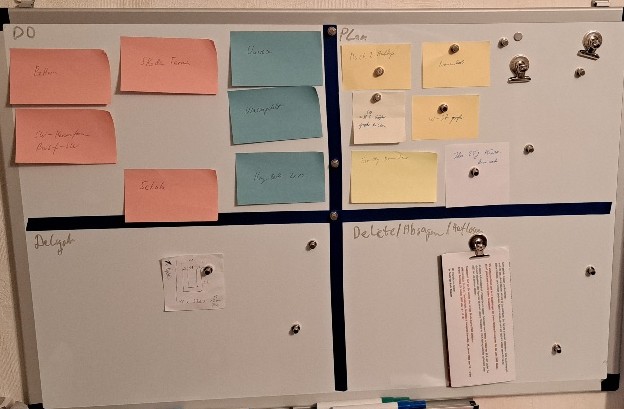
Urgent or Important? Entrepreneurs Need to Prioritize.
Discover a simple and practical way to organize tasks, set priorities and focus on what really matters. The Eisenhower Matrix helps small businesses decide what to do immediately, schedule, delegate or automate, and delete or cancel.